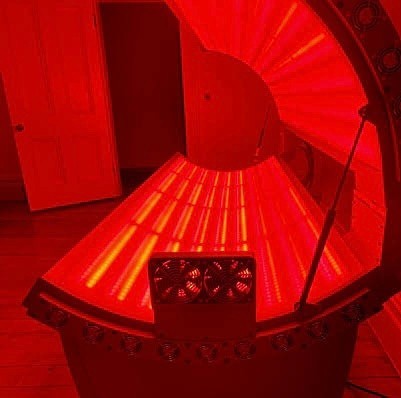
Photobiomodulation therapy, also known as low-level laser therapy, has been gaining popularity in the health and wellness industry for its numerous benefits. From reducing inflammation and pain to improving skin tone and muscle recovery, photobiomodulation has been hailed as a safe and effective treatment method.
And now, with the introduction of full body photobiomodulation beds, individuals can experience the benefits of this therapy on a whole new level. These beds emit red and near-infrared light that penetrates deep into the body, stimulating cellular repair and regeneration. In this article, we will explore the science behind full body photobiomodulation beds and how they can potentially revolutionize the way we approach health and wellness.
The Science Behind Full Body Photobiomodulation Beds
Full body photobiomodulation beds work by emitting red and near-infrared light that is absorbed by the mitochondria in our cells, a process known as photobiostimulation. This light energy helps to boost cellular metabolism, increase ATP production, and enhance protein synthesis, ultimately leading to improved tissue repair and regeneration. By using Full Body Photobiomodulation Bed, individuals can efficiently target multiple areas of the body simultaneously, providing a comprehensive and holistic approach to enhancing overall health and well-being.
In addition to promoting cellular repair and regeneration, full body photobiomodulation beds have also been shown to increase circulation, reduce inflammation, and accelerate muscle recovery. This cutting-edge therapy offers a non-invasive, drug-free way to address a wide range of health concerns, from chronic pain to skin conditions. By harnessing the power of light energy, individuals can rejuvenate their bodies from the inside out, leading to improved vitality and overall quality of life. With the potential to revolutionize the way we approach health and wellness, full body photobiomodulation beds are paving the way for a brighter, healthier future.
